
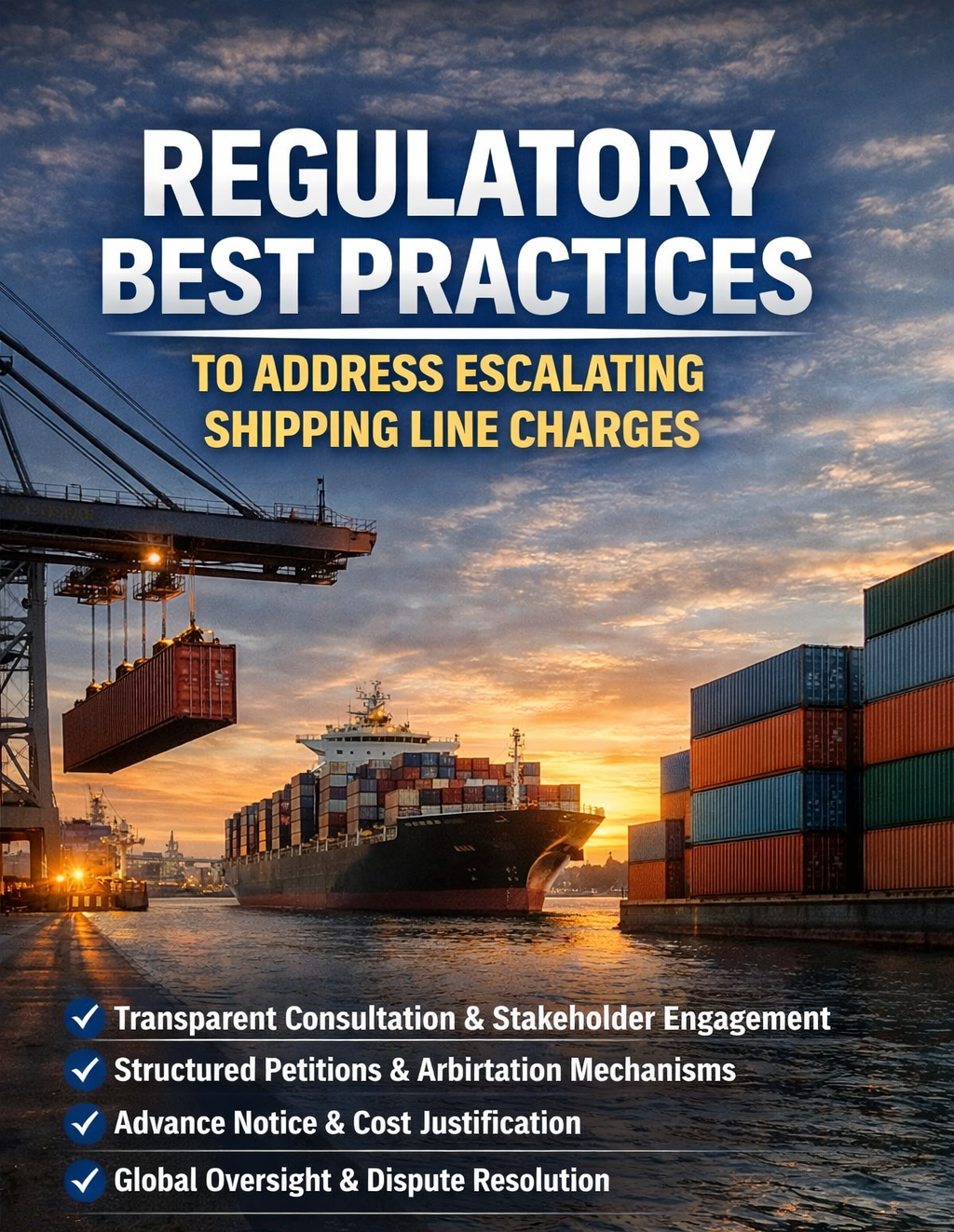
The Sea Empowerment and Research Centre (SEREC) has drawn attention to international regulatory best practices as essential tools for addressing the recent escalation of shipping line charges affecting port users in Nigeria and beyond. (ShippingDayLive)
In its analysis, SEREC highlighted a range of formal escalation mechanisms and regulatory complaint systems widely recognized in global maritime governance. These structures — which include structured petitions, arbitration processes, and lawful service withdrawal options — help ensure that disagreements over tariff increases are handled in an orderly and legally sound manner, rather than through uncoordinated or ad-hoc actions. (ShippingDayLive)
The center emphasized that transparent consultation, stakeholder engagement, and the timely disclosure of cost drivers behind rate adjustments are core principles of international best practices. For instance, industry standards encourage carriers to provide advance notice of rate changes and publish supporting data that justify adjustments, enabling shippers to understand and plan for cost implications.
SEREC also called for Nigeria’s maritime regulatory authorities to adopt more robust oversight frameworks that align with global norms — ensuring that shipping charges are fair, documented, and subject to dispute resolution mechanisms that protect both service providers and port users. Such frameworks promote predictability, fairness, and competitiveness in the port economy, particularly when addressing complex cost structures like demurrage, detention, and other ancillary fees.
The organization noted that embracing these global best practices would help mitigate tensions between importers, freight forwarders, and shipping lines while reinforcing confidence in Nigeria’s trade ecosystem. It underlined that achieving greater regulatory transparency and compliance is vital to strengthening Nigeria’s position in international maritime trade. (ShippingDayLive)
January 14, 2026 — Source: ShippingDayLive