
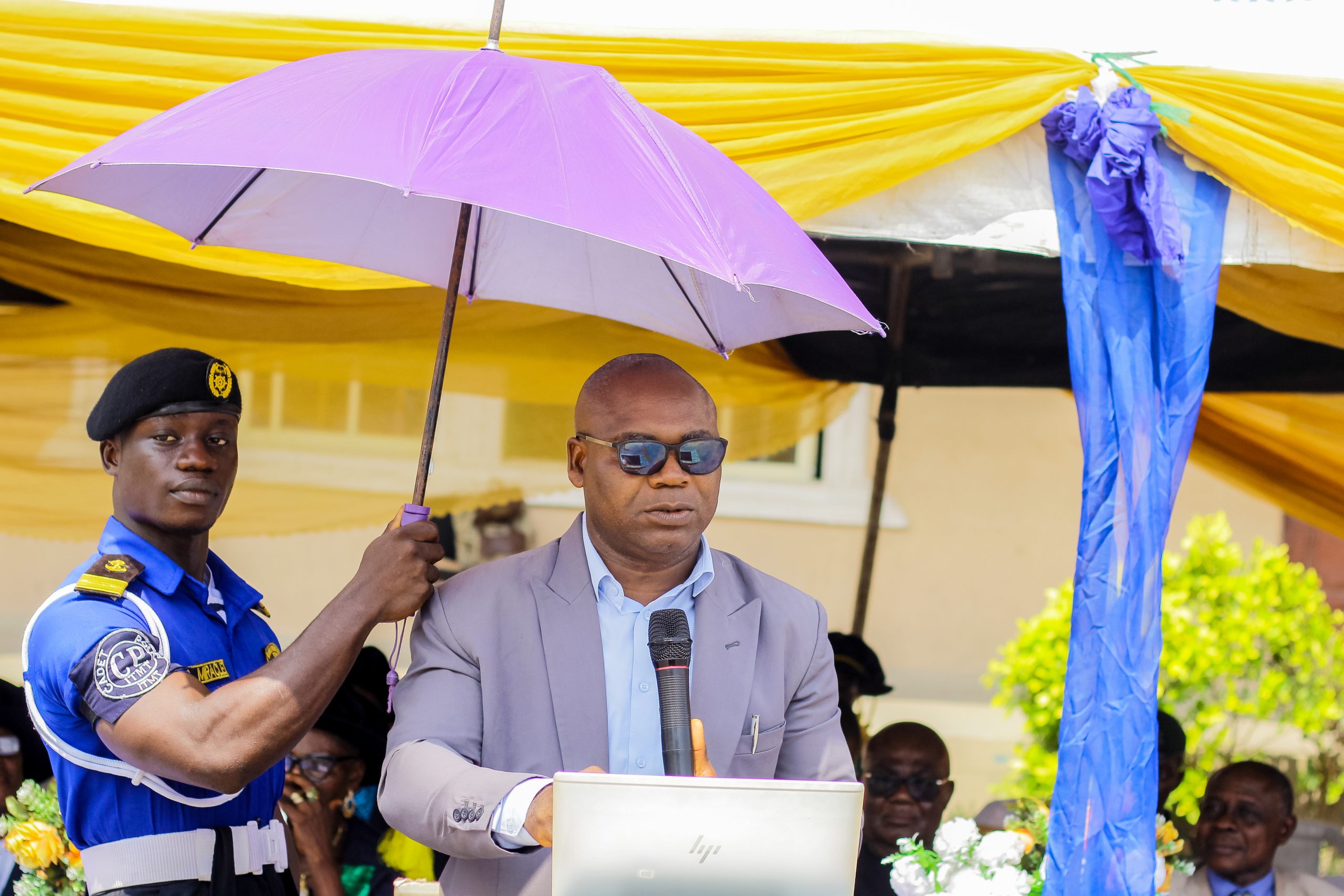
The Director General of the Sea Empowerment Research Centre, Francis Aniezechukwu, on Saturday delivered the Keynote Address at the 33rd Matriculation Ceremony of the Institute of Transport Technology & Management, where he spoke extensively on the theme: “The Role of Multimodal Transport in National Development.”
The keynote highlighted the centrality of an integrated, multimodal transport framework in driving sustainable economic growth and positioning Nigeria for global competitiveness.
Redefining Multimodal Transport
Speaking at the event, Aniezechukwu described multimodal transport as “an integrated system where road, rail, air, maritime, and inland waterways work seamlessly to move people and goods efficiently.”
He noted that this interconnected approach is the foundation of modern logistics and a key enabler for economic diversification.
Why Multimodal Transport Matters
The DG emphasized that every advanced economy thrives on a transport system that reduces logistics costs, enhances efficiency, and expands access.
According to him, multimodal transport drives:
- 20–40% reduction in logistics costs
- Improved productivity and competitiveness
- Job creation across value chains
- Stronger rural–urban market linkages
- Environmental sustainability and safer mobility
Historical and Global Perspective
Tracing the evolution of transport systems from the Industrial Revolution to the age of containerization and digitalization, he explained how integrated logistics networks shaped global trade and built the world’s strongest economies.
Nigeria’s Transport Realities
Aniezechukwu provided a frank assessment of the Nigerian transport landscape, noting the following realities:
- Heavy reliance on road transport
- Gradual revival of the rail sector
- Expanding capacity in the maritime industry
- Underutilised inland waterways
- Emerging opportunities in air logistics
He stressed that while progress has been made, Nigeria remains far from achieving seamless integration across modes.
The Urgent Need for Integration
With the pressures of population growth, the opportunities presented by the African Continental Free Trade Area (AfCFTA), and ongoing industrialization efforts, he warned that Nigeria can no longer afford siloed transport systems.
What an Ideal Multimodal System Should Look Like
The keynote outlined a clear picture of a modern, functional transport ecosystem, including:
- Ports fully connected to rail
- Operational inland dry ports across key regions
- Active inland waterways linking coastal and hinterland markets
- Integrated logistics hubs along economic corridors
- End-to-end digitalization of processes
Persistent Challenges
The DG identified major obstacles that must be addressed:
- Policy fragmentation
- Weak enforcement
- Funding deficits
- Infrastructure gaps
- Security concerns
- Shortage of multimodal transport skills
Strategic Recommendations
To unlock the potential of multimodal transport, he advised the implementation of:
- A National Multimodal Transport Masterplan
- Strengthened port–rail linkages
- Expanded economic zones and inland dry ports (IDPs)
- Increased public–private partnerships (PPPs)
- Full-scale digitalization
- Investment in manpower and professional development
Message to the Matriculating Students
Addressing the newly admitted students, Aniezechukwu encouraged them to see themselves as key players in Nigeria’s transport future.
“You are the future transport economists, logistics innovators, maritime professionals, railway engineers, and policymakers who will shape Nigeria’s transport renaissance,” he said.
Final Note
He concluded by reaffirming that multimodal transport is not optional, stating:
“It is the backbone of Nigeria’s economic transformation. I am honoured to contribute to this national conversation.”